


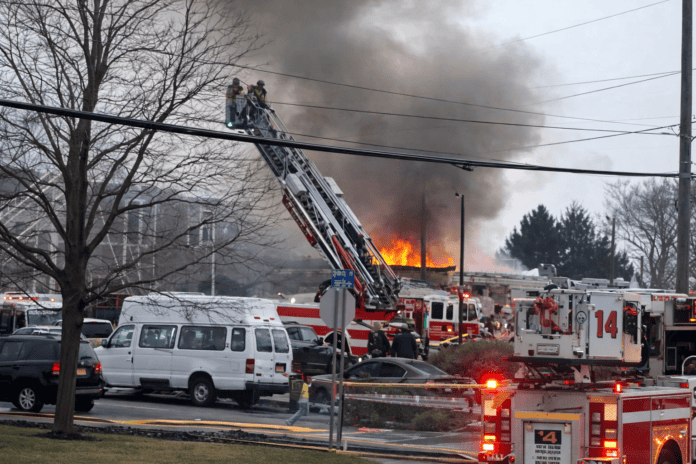
On the morning of December 23, 2025, Bristol Health & Rehab Center, a 174-bed nursing home in Bristol Township, Lower Bucks County, Pennsylvania, was operating normally when a safety emergency began inside its walls. Around 11:00 a.m., the facility’s maintenance director detected a strong natural gas odor in the basement boiler room and first-floor hallway and reported it to PECO, the local utility owned by Exelon Corporation. At that time, about 180 people were inside the building, including residents, staff, and visitors.
After the call was placed, nearly an hour passed before help arrived. At 11:50 a.m., a PECO energy technician entered the basement, identified a leak in a meter set valve, and requested additional assistance to address the problem. A second meter services technician reached the site at 1:20 p.m. to begin repair work. According to the National Transportation Safety Board’s preliminary report, both the on-scene supervisor and the assisting technician had been in their Exelon roles for less than one year. While they worked, people inside the nursing home later told investigators that the gas odor intensified and could be smelled as high as the second floor of the facility.
The situation escalated rapidly in the early afternoon. At approximately 2:15 p.m., the building exploded, partially collapsing portions of the structure and igniting a fire. Walls buckled, windows shattered, and debris spread across the surrounding area as firefighters, paramedics, and police from multiple agencies converged on the scene to conduct rescues and secure the site. PECO’s emergency response team did not arrive until 2:42 p.m., and the natural gas supply was not fully shut off until about 3:50 p.m.
The human toll became clear in the days that followed. Three people died as a result of the blast: Patricia Mero, 66, a resident; Ann Reddy, also a resident; and Muthoni Nduthu, 52, a certified nursing assistant who was working that day. Two victims died at or near the time of the explosion, while a third died from injuries on January 5, 2026. Roughly 20 additional people were hospitalized with burns, smoke inhalation, and traumatic injuries.
In response, the NTSB launched a comprehensive investigation that included examining the facility’s natural gas service line, removing the basement meter set valve for laboratory analysis, interviewing utility workers and nursing home staff, and reviewing physical evidence collected from the blast site. Investigators also ordered testing of underground piping around the building after detecting subsurface gas outside its perimeter. In its preliminary report, the agency outlined its next steps, stating: “Future investigative activity will focus on evaluating physical evidence collected at the site and reviewing Exelon’s pipeline safety management system as well as its practices related to personnel training and operator qualifications, task-specific procedures, odor complaint response, documentation, and emergency response.”
As the federal review continued, families of victims and injured residents began filing lawsuits against PECO/Exelon and Saber Healthcare Group, the company that operated the facility. Attorneys for plaintiffs described the incident in court filings as involving “negligent, reckless and outrageous conduct,” and said the legal proceedings were likely to be “massive, multistate” in scope. Legal documents also characterized the gas odor before the explosion as “overwhelmingly pungent,” while questioning why the building was not fully evacuated during the repair effort.
The blast forced the relocation of more than 100 residents, many of whom were transferred to other nursing homes or temporary placements across the region. Bristol Health & Rehab remained closed and structurally unstable, with no public timeline for repairs or reopening while investigations and legal actions moved forward.
The NTSB indicated that its final report, including a probable cause determination and safety recommendations, would take many months to complete, even as civil litigation and regulatory reviews continued simultaneously.

